

Laser Skin Resurfacing in Corsicana, TX
Erbium laser resurfacing for smoother texture and more even tone
THE BASICS
What Is Laser Skin Resurfacing?
Laser skin resurfacing is for skin that has stopped responding to anything you put on it. Targeted light energy clears away damaged surface skin cells and heats the tissue underneath, prompting the body to rebuild collagen and produce fresher, more even skin over the following weeks.
A chemical peel dissolves the surface layer with acid, working on tone and texture from the top down. Laser resurfacing reaches both the surface and the layer beneath it in the same session, which is why it can also soften mild to moderate acne scarring that a peel alone does not typically reach. Kyndle performs it on the Rohrer Spectrum, using its erbium YAG handpiece with the depth set to the concern being treated. More about the Rohrer Spectrum.
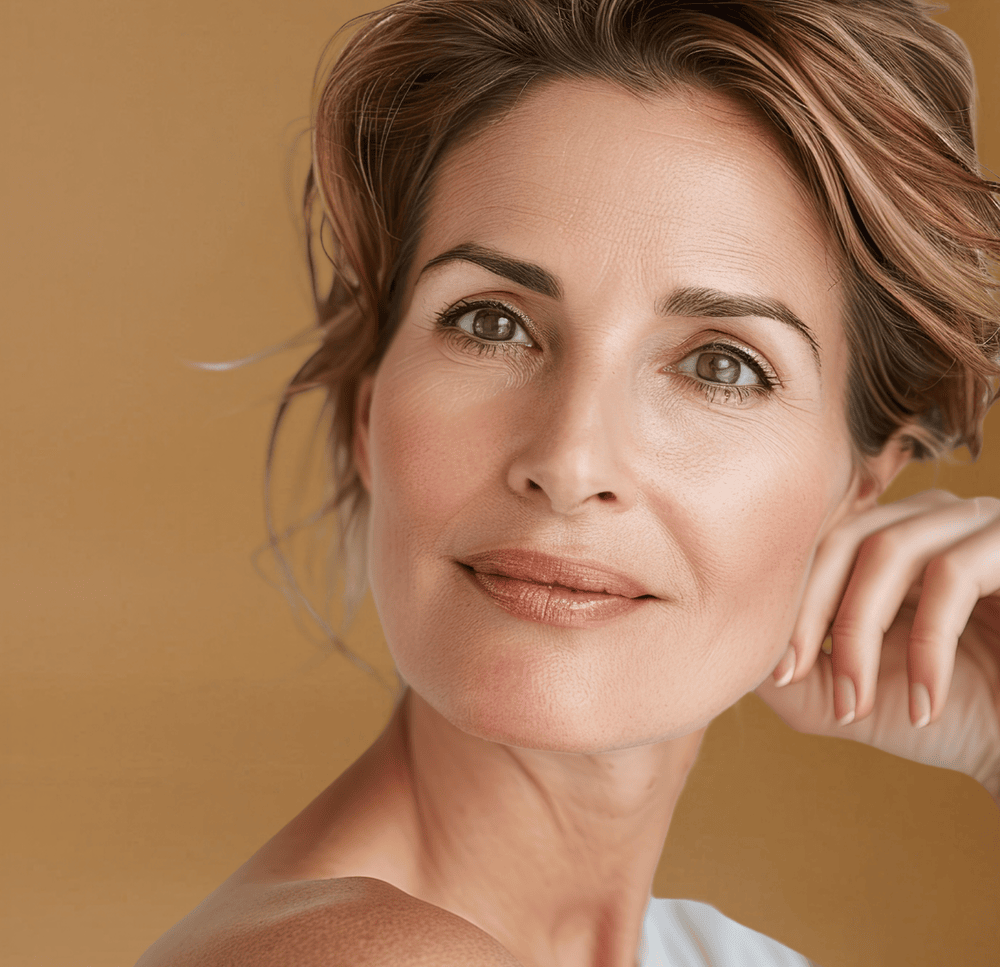
Who Laser Skin Resurfacing Is For
WHO'S THIS FOR
- Acne scars that never fully smoothed out
- Fine lines and texture changes around the eyes
- Sun damage and uneven tone built up over years
- Skin that looks dull or crepey up close
- Enlarged pores across the cheeks and nose
- Wanting smoother, more even-looking skin without surgery
YOUR VISIT
What Happens at Your Appointment?
You meet with your provider first. Your provider examines your skin, talks through what bothers you most, and chooses the depth and settings for your treatment areas. The under-eye area is never treated the same way as the cheeks.
A topical numbing cream goes on and is given time to take effect, usually around twenty to thirty minutes. This is the slow part of the visit, so bring a podcast or something to read.
The laser passes over each area in sections. Most people feel heat and a snapping sensation, like a rubber band, rather than sharp pain. Areas with thinner skin, like around the eyes, tend to feel more than the cheeks or jawline.
A cooling, calming serum goes on immediately after. Your skin typically looks pink to red, similar to a moderate sunburn, and may feel tender for the rest of the day. You leave with aftercare instructions and a timeline for when peeling begins. Most people stay out of the sun and skip makeup until the new skin has formed, usually seven to ten days.
WHAT COMES NEXT
How Soon Will I See Results?
-
First seven to ten days.
Skin is pink and may flake or peel as the damaged surface layer clears, and new skin usually covers the area within seven to ten days. This part is visible, and it is not the result.
-
First month.
Tone looks more even and texture feels smoother to the touch. Some pinkness can linger, and full recovery typically takes at least a month.
-
The following months.
Fine lines and shallow scarring keep looking softer as the skin settles, though some redness can last several months after a deeper treatment.
-
Years after.
Results can last for years with daily sun protection, though new sun damage and natural aging continue. Most people plan any maintenance sessions from this point.
HOW THEY DIFFER
Laser Skin Resurfacing vs. Chemical Peels
Kyndle offers both. Chemical Peels
GOES WELL WITH
Treatments That Pair Well with Laser Skin Resurfacing
Resurfacing works on the surface and the collagen just beneath it, while biostimulators rebuild structure further down.
Booked a few weeks ahead, it leaves skin clean and calm going into resurfacing.
Resurfacing smooths texture a neurotoxin cannot change, while neurotoxin quiets the movement lines resurfacing does not reach.

BEFORE YOU BOOK
Laser Skin Resurfacing: Frequently Asked Questions
-
Results can last for years, though natural aging and new sun damage gradually add new lines and spots. Sun protection and a consistent skincare routine extend results considerably. Many people plan an occasional maintenance session once their skin has fully settled.
-
There is no single ideal age. Most people begin once sun damage, fine lines, or acne scarring become noticeable, which is often in their thirties through fifties, but skin condition matters more than age itself. A consultation determines whether now is the right time for your skin.
-
Most people describe heat and a snapping sensation rather than sharp pain, especially with numbing cream applied beforehand. Sensitivity varies by area, with thinner skin around the eyes typically feeling more than the cheeks or jawline. Most people tolerate the full session comfortably.
-
Sometimes. A deeper resurfacing treatment is often done once, while gentler treatments usually take two to four sessions spaced weeks apart. Deeper scarring or sun damage sometimes needs more. Your provider will recommend a plan for your skin at consultation.
-
Give the new skin a quiet week or two. Keep it out of direct sun, leave any flaking alone, and use sunscreen every day, since all three change how evenly skin heals. Most people hold off on retinoids and exfoliants until the skin has fully recovered, and your provider walks through the full plan.
-
A consultation and a reviewed health history settle this. Active breakouts, cold sores, a history of keloid scarring, pregnancy, and recent isotretinoin use or sun exposure can all affect the timing of treatment, and your provider chooses the depth and settings that suit your skin type.
-
Laser resurfacing improves surface texture, tone, and shallow scarring rather than lifting or tightening loose skin. For sagging along the jawline, a treatment like skin tightening or biostimulators typically addresses that concern more directly. Many people combine treatments to address both.
-
They address different things rather than competing with each other. Neurotoxins soften movement-related lines by relaxing muscle activity, while laser resurfacing improves the skin's surface texture and tone. Many people use both, since they work on separate causes of the same concern.